Understanding 3D Product Configurator Software in 2026
As consumer demands evolve, businesses need to adapt by providing tailored experiences that resonate with their unique preferences. Enter the world of 3D product configurator software, a transformative tool that empowers customers to personalize products in real-time, enhancing user engagement and driving sales. In a market saturated with options, a robust configurator can be your differentiator, allowing consumers to visualize their choices dynamically before making a purchase. This article explores the essentials of 3D product configurators, emphasizing their benefits, challenges, and best practices for implementation.
What is 3D Product Configurator Software?
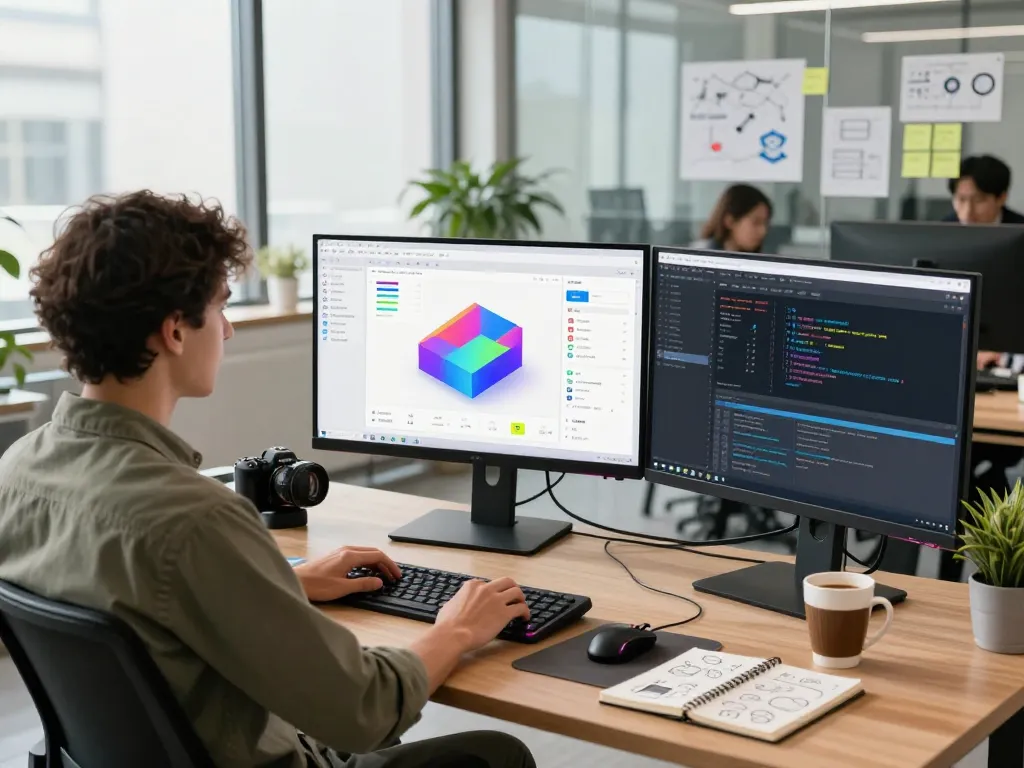
3D product configurator software is a digital solution that enables customers to customize products through an interactive, three-dimensional interface. These tools allow users to manipulate various product attributes, such as colors, textures, materials, and components, in real-time. The software generates a visual representation of their selections, providing an immediate visual feedback that bridges the gap between physical products and online shopping experiences.
Benefits of Implementing 3D Product Configurator Software
- Enhanced Customer Engagement: By allowing customers to interact with the product directly, configurators create an immersive experience that keeps users engaged longer.
- Increased Conversion Rates: Studies show that customers who can customize products are more likely to complete purchases, significantly boosting sales.
- Reduced Return Rates: When customers can visualize their choices, they are less likely to face buyer’s remorse, leading to a decrease in product returns.
- Streamlined Sales Processes: Configurators can simplify complex sales interactions by clearly displaying available options and pricing, reducing the time spent on consultations.
Key Features to Look for in Configurator Software
When evaluating different 3D product configurator software solutions, consider features such as:
- User-friendly Interface: Easy navigation is crucial for a seamless user experience.
- Integration Capabilities: The configurator should integrate smoothly with existing eCommerce platforms and CRM systems.
- Mobile Compatibility: Ensure the tool is responsive and functions well on mobile devices, as many customers shop on the go.
- Real-time Rendering: High-quality graphics and real-time visualization enhance the customization experience.
Common Challenges and Misconceptions
Addressing User Fears Regarding Complexity
One of the main concerns potential users have about 3D configurators is their perceived complexity. While it’s true that some configurators can be intricate, modern solutions are designed to be intuitive, minimizing learning curves. Providing tutorials and customer support can help ease users into the new technology.
Overcoming Integration Issues with Existing Systems
Integrating new software can be daunting, especially if existing systems are outdated or incompatible. Choosing a configurator with robust API support can facilitate smoother integration. Additionally, working with experienced developers during the implementation phase can help mitigate potential issues.
Myths About Cost and ROI of 3D Configurators
Many businesses shy away from adopting 3D product configurators due to misconceptions about high costs and uncertain return on investment (ROI). While initial costs can vary, the long-term benefits—such as increased sales and reduced returns—often outweigh these investments. Robust analytics features also enable businesses to monitor performance and adjust strategies accordingly.
Best Practices for Effective Implementation
Steps to Successfully Deploy a 3D Product Configurator
- Define Objectives: Clearly outline what you aim to achieve with the configurator, whether it’s boosting engagement, enhancing user experience, or increasing sales.
- Choose the Right Software: Evaluate multiple configurator solutions and select one that aligns with your business goals and technical requirements.
- Test and Iterate: Before full deployment, conduct user testing to gather feedback, and make adjustments based on real user interactions.
Strategies for User Engagement and Retention
To maximize user engagement with your 3D product configurator, consider implementing gamification techniques, personalized recommendations, and loyalty rewards for users who engage with the configurator frequently. Additionally, regularly updating the configurator with new features or seasonal options can keep the experience fresh and exciting.
Case Studies of Successful Configurator Implementations
Several companies have successfully integrated 3D product configurators into their sales processes. For instance, furniture retailers allow customers to visualize how different pieces fit into their living spaces, significantly enhancing the shopping experience. Another example can be found in the automotive industry, where dealers provide online configurators that let potential buyers customize features, colors, and accessories before making a purchase decision.
Measuring Success: Metrics and KPIs
Key Performance Indicators for 3D Configurator Solutions
To assess the effectiveness of your configurator, track key performance indicators (KPIs) such as user engagement time, conversion rates, and the number of products customized. Analyzing these metrics can provide valuable insights into customer behavior and preferences.
Tools for Analyzing User Interaction and Experience
Utilizing analytics tools, such as Google Analytics and heat mapping software, can help businesses track user interactions with the configurator. This data can highlight popular features, potential drop-off points, and areas for improvement in the user interface.
Adjustment Strategies Based on Data Insights
Regularly reviewing collected data allows businesses to make informed adjustments to their configurators. For example, if users frequently abandon the customization process at a particular stage, analyzing the reasons behind this behavior can lead to targeted improvements that enhance the user experience.
Future Trends in 3D Product Configurator Software
Emerging Technologies Shaping Configurator Development
As technology continues to advance, 3D product configurator software is expected to evolve alongside it. Innovations such as augmented reality (AR) and virtual reality (VR) are set to revolutionize how customers interact with products, allowing for even more immersive experiences. Additionally, developments in artificial intelligence (AI) will enable more tailored suggestions and configurations based on individual customer preferences.
Predictions for User Experience Innovations in 2026
Looking ahead, the integration of AI-driven insights will further enhance user experiences by personalizing interactions even more. Expect configurators that not only allow customization but also learn from user choices to provide increasingly relevant recommendations.
How AI Will Transform the Configurator Landscape
The incorporation of AI into 3D product configurators will allow for advanced features like predictive modeling and personalized interfaces, making the customization process even more intuitive. AI can also facilitate better inventory management, as it can predict demand for specific configurations based on user trends.
What are the Best Uses for 3D Product Configurator Software?
3D product configurators are beneficial across various industries, including:
- Fashion and Apparel: Allow customers to customize clothing items, colors, and sizes.
- Automotive: Enable buyers to choose vehicle features and accessories.
- Furniture: Offer visualizations of how furniture fits in a home setting.
- Electronics: Let customers configure tech products with different specifications.
Can 3D Product Configurator Software Improve Sales?
Definitely. By providing an engaging and interactive way for customers to explore products, 3D configurators facilitate a deeper connection and understanding of the product, which can convert into higher sales rates. Businesses that effectively implement a configurator often see significant increases in conversion and retention rates.
Is 3D Product Configurator Software Suitable for All Industries?
While 3D product configurators can significantly enhance user engagement in many sectors, they are particularly impactful in industries where customization is key. Sectors like fashion, automotive, and consumer electronics benefit greatly from this technology. However, businesses in less visual or less customizable sectors may not find the same level of value.
What Features Differentiate Configurator Software Solutions?
Features such as ease of use, customization options, integration capabilities, mobile responsiveness, and graphic quality set different configurator solutions apart. A solution tailored to your specific industry needs will be essential to maximize its effectiveness.
How to Choose the Right 3D Product Configurator for Your Business?
When selecting a configurator, assess your business needs, target audience, and technical requirements. Consider solutions that offer comprehensive customer support and free trial options, enabling you to evaluate their effectiveness before committing.