
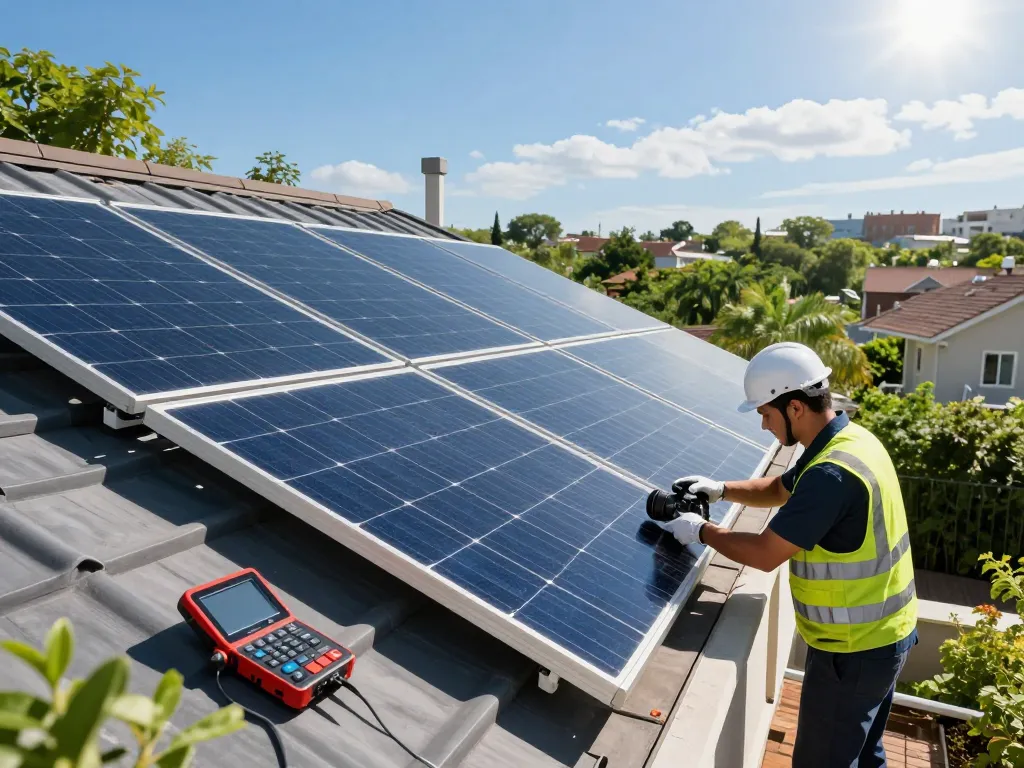
Introduction to Carbon Footprint of PV Modules
As the world shifts towards renewable energy solutions, understanding the huella de carbono de módulos PV (carbon footprint of PV modules) has never been more critical. Solar energy is often hailed as a clean alternative to fossil fuels, yet the production and lifecycle of solar panels can contribute to greenhouse gas emissions. This article delves into the intricate details of how solar panels are manufactured, the emissions associated with their lifecycle, and the importance of reducing their carbon footprint to enhance their environmental benefits. By exploring technological advancements and best practices, we aim to provide a comprehensive understanding of how to mitigate the carbon footprint of photovoltaic modules and promote sustainable energy solutions.
What Is the Carbon Footprint of PV Modules?
The carbon footprint of photovoltaic (PV) modules is defined as the total greenhouse gas emissions associated with their entire lifecycle—from raw material extraction and manufacturing to transportation, installation, use, and end-of-life disposal. Typically expressed in kilograms of CO2 equivalent per panel or in grams of CO2 equivalent per kilowatt-hour (kWh) generated, this metric evaluates the environmental impact of solar energy technologies. According to recent findings, the carbon footprint of a standard solar panel can range from 30 to 80 gCO2eq/kWh, depending on various factors including the materials used and the efficiency of the manufacturing processes.
Importance of Reducing the Carbon Footprint
Reducing the carbon footprint of PV modules is not just an environmental imperative but also a market-driven necessity. As consumers and businesses increasingly prioritize sustainability, the demand for low-carbon technologies is on the rise. Lowering emissions associated with solar panel production enhances their overall effectiveness as a renewable energy solution. Furthermore, it contributes to global climate goals by decreasing reliance on fossil fuels and reducing overall greenhouse gas emissions. The solar industry must therefore innovate continuously to produce modules with a minimal carbon footprint, ensuring they provide not only green energy but also contribute to a sustainable future.
Overview of Life Cycle Assessment in Solar Technology
The Life Cycle Assessment (LCA) is a systematic approach to evaluating the environmental impacts associated with all stages of a product’s life, from cradle to grave. In the context of solar technology, LCA is used to assess the carbon footprint of PV modules throughout their entire lifecycle. This method involves several phases:
- Raw Material Extraction: The production of PV modules starts with mining raw materials like silicon, silver, and aluminum, which can generate significant emissions.
- Manufacturing: The processes of transforming raw materials into usable solar cells involve energy-intensive operations that contribute to the carbon footprint.
- Transportation: Emissions produced during the transport of panels from factories to installation sites also play a crucial role in the overall assessment.
- Installation and Use: While solar panels generate clean energy during their operational phase, the initial emissions must be considered.
- End-of-Life Management: The disposal and recycling of solar panels contribute to the final carbon footprint; effective waste management can minimize emissions.
Factors Influencing the Carbon Footprint
Manufacturing Processes and Emissions
The manufacturing process of solar panels involves several stages that can significantly impact their carbon footprint. For instance, the production of high-purity silicon, which is essential for efficient solar cells, is notably energy-intensive. The energy source used during manufacturing greatly influences the emissions associated with this stage. Existing technologies often rely on fossil fuels, which increases the carbon footprint. However, the adoption of renewable energy in manufacturing facilities can help mitigate these emissions.
Transportation and Installation Emissions
After manufacturing, solar panels must be transported to installation sites, which incurs additional greenhouse gas emissions. The distance traveled and the mode of transport (e.g., truck, ship) play significant roles in determining the total emissions from this stage. Efficient logistics and local sourcing of materials can reduce this component of the carbon footprint. During installation, emissions can arise from equipment used and energy consumed, although they are generally minimal compared to manufacturing.
Operational Efficiency and Carbon Reduction
The operational efficiency of solar panels also influences their overall carbon footprint. High-efficiency modules generate more energy over their lifespan, thereby distributing the initial emissions across a greater amount of electricity produced. For example, newer technologies such as bifacial solar panels and those utilizing advanced photovoltaic technologies can increase energy output and reduce the per kWh emissions over time. Furthermore, regular maintenance and optimal positioning of solar installations contribute to maximizing operational efficiency.
Measuring the Carbon Footprint of Solar Panels
Standardized Measurement Techniques
Measuring the carbon footprint of solar panels requires standardized techniques to ensure consistency and reliability. Life Cycle Assessment (LCA) methodologies, such as those developed by the International Organization for Standardization (ISO), provide frameworks for evaluating the emissions associated with PV modules. Specific standards like ISO 14067 focus on quantifying the carbon footprint of products, helping manufacturers and consumers make informed decisions based on transparent data.
Case Studies on PV Module Emissions
Several case studies demonstrate the carbon footprints of different types of PV modules. For instance, a study on traditional monocrystalline and polycrystalline panels revealed that monocrystalline panels generally have a lower carbon footprint due to their higher efficiency in energy conversion. Additionally, advanced solar technologies are continually being assessed to further understand their impact on carbon emissions. It is crucial for stakeholders in the solar industry to reference these studies to support claims of sustainability and efficiency.
Comparative Analysis with Other Energy Sources
When evaluating the environmental benefits of solar energy, it is essential to compare the carbon footprint of PV modules with other energy sources. Traditional energy sources such as coal and natural gas have carbon footprints significantly higher than that of solar panels. For instance, coal-fired power plants can emit over 900 gCO2eq/kWh, starkly contrasting with solar’s lower emissions. This comparison underscores the role that solar energy can play in reducing overall greenhouse gas emissions and combating climate change.
Innovative Solutions for Reducing the Carbon Footprint
Technological Advancements in PV Manufacturing
Innovations in PV module manufacturing are at the forefront of reducing carbon emissions. New materials, such as perovskite solar cells, promise higher efficiency rates and lower production costs. Additionally, the integration of vertical farming practices in solar farms can provide dual benefits: efficient land use and biomass production, contributing to carbon reduction. These advancements exemplify how technology can enhance the sustainability of solar energy.
Renewable Energy Integration and Efficiency Improvements
Integrating renewable energy into the manufacturing processes of solar panels significantly lowers their carbon footprint. Solar-powered factories can lead to zero-emission production of solar panels, creating a closed-loop system where the energy generated by solar panels is used to produce more panels. By enhancing efficiency improvements through design and technology, manufacturers can produce more energy-efficient panels that effectively contribute to reducing emissions.
Best Practices for Sustainable Installations
Adopting best practices during the installation of solar panels can also help minimize their carbon footprint. These practices include:
- Opting for local suppliers to reduce transportation emissions.
- Using efficient installation techniques that minimize the energy required for set-up.
- Implementing recycling programs for old or damaged panels to reduce waste and emissions.
- Incorporating smart technologies to enhance energy management during operation.
Future Trends in PV Module Carbon Footprint Management
Emerging Technologies and 2026 Predictions
Looking ahead to 2026, several trends are likely to shape the management of carbon footprints in the solar industry. Emerging technologies such as artificial intelligence and blockchain can enhance operational efficiencies, enabling better tracking and optimization of energy generation. Furthermore, breakthroughs in materials science are expected to yield solar panels with significantly lower carbon footprints, making renewable energy sources even more attractive in the near future.
Policy Changes and Their Impact on the Industry
Government policies play a crucial role in shaping the future of solar energy and its carbon footprint. Incentives for low-carbon technologies, stricter emissions standards, and support for renewable energy integration can create a favorable environment for innovation and sustainability. As global awareness of climate change continues to grow, policymakers will increasingly prioritize the reduction of carbon footprints across all sectors, including solar energy.
Long-term Sustainability Goals for the Solar Sector
The solar sector’s long-term sustainability goals should focus on continual improvement in carbon footprint management through the entire lifecycle of PV modules. This includes setting ambitious targets for emissions reductions, investing in cleaner manufacturing technologies, and promoting research and development. By aligning with international climate agreements and fostering collaboration among industry stakeholders, the solar industry can lead the way toward a more sustainable energy future.
What defines a low carbon footprint for solar panels?
A low carbon footprint for solar panels is generally defined as one that produces less than 40 gCO2eq/kWh over its lifecycle. This threshold reflects advanced manufacturing processes, minimal transportation emissions, and high operational efficiency, all contributing to a reduced environmental impact.
How can homeowners reduce their solar installation’s carbon footprint?
Homeowners can decrease their solar installation’s carbon footprint by selecting high-efficiency panels, participating in recycling initiatives, and maintaining their systems effectively. Additionally, utilizing local suppliers and installers can further minimize emissions associated with transportation.
What role does technology play in minimizing emissions from PV modules?
Technology plays a pivotal role in minimizing emissions from PV modules through advancements in materials, manufacturing processes, and system efficiencies. Innovations such as bifacial panels, improved cell efficiency, and automated manufacturing techniques can contribute to lower carbon footprints.
What are the challenges faced in reducing the carbon footprint of solar energy?
Challenges in reducing the carbon footprint of solar energy include reliance on fossil fuels in manufacturing, transportation emissions, and the end-of-life management of solar panels. Addressing these challenges will require concerted efforts across the industry to develop sustainable practices and technologies.
How does the carbon footprint of PV modules compare to traditional energy sources?
The carbon footprint of PV modules is significantly lower than that of traditional energy sources. For example, while coal can emit up to 900 gCO2eq/kWh, PV modules typically range between 30 to 80 gCO2eq/kWh, highlighting the advantages of solar energy in combating climate change.