
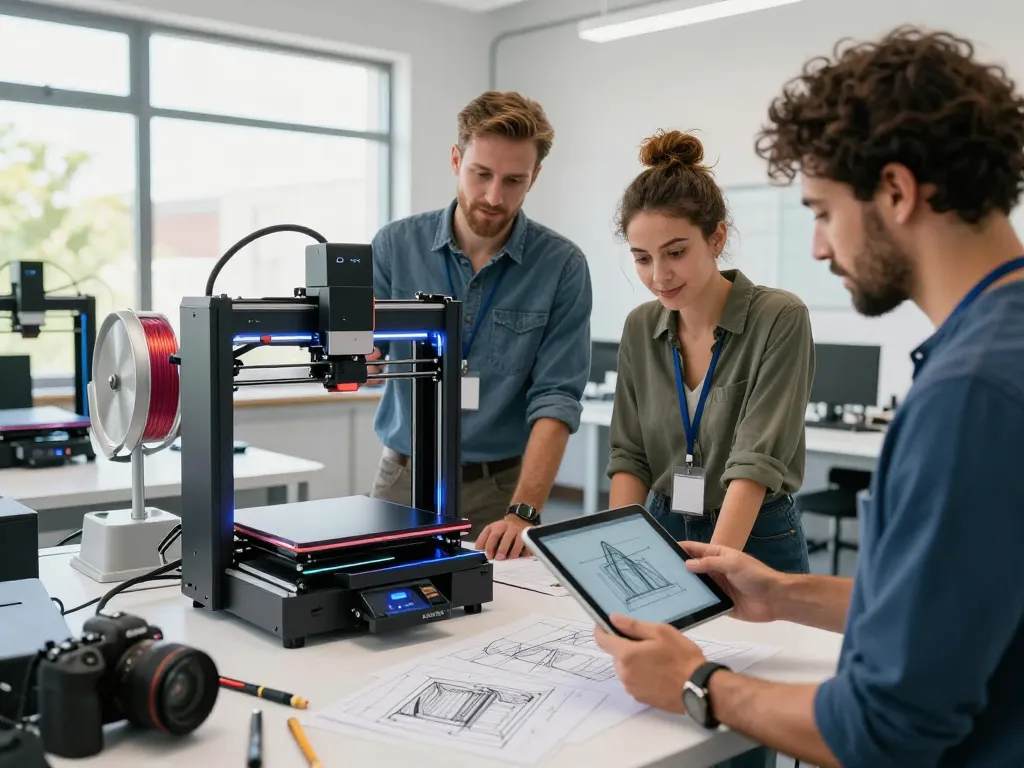
Understanding 3D Printing: A Comprehensive Overview
3D printing, also known as additive manufacturing, is revolutionizing industries by allowing the construction of three-dimensional objects from a digital model. This innovative technology has gained traction since its inception in the 1980s and continues to evolve, making a significant impact across various sectors. As we progress into 2026, understanding the fundamentals of 3D printing is essential for businesses and individuals alike. When exploring options, 3D Printing provides comprehensive insights into how this technology can be harnessed.
The Basics of 3D Printing Technology
At its core, 3D printing involves creating objects layer by layer, using materials such as plastic, metal, and even biological compounds. The process begins with a digital model, typically created using computer-aided design (CAD) software. Once the model is ready, it is sliced into thin horizontal layers, which the 3D printer understands and executes.
There are various types of 3D printing technologies, including:
- Fused Deposition Modeling (FDM): This is one of the most common methods, where thermoplastic filaments are heated and extruded through a nozzle to build layer by layer.
- Stereolithography (SLA): Utilizing UV light, SLA cures liquid resin into solid layers, resulting in high-precision models.
- Selective Laser Sintering (SLS): This method uses lasers to fuse powdered material into desired shapes, often used for complex geometries.
History and Evolution of 3D Printing
The concept of 3D printing was first introduced in 1984 by Charles Hull, who developed stereolithography. Since then, the technology has evolved significantly, with advancements leading to more accessible and affordable printing options. The early models were primarily used for prototyping in industries such as automotive and aerospace. However, as the technology matured, it found applications in consumer products, healthcare, and even construction.
Today, 3D printing is not just a prototyping tool; it’s a viable manufacturing method that is changing how products are designed and produced. The emergence of open-source 3D printing platforms has democratized the access to this technology, allowing individuals and small businesses to innovate rapidly.
Different Types of 3D Printing Methods
In addition to FDM, SLA, and SLS, several other methods have developed to cater to different needs and materials:
- Digital Light Processing (DLP): Similar to SLA, DLP uses a digital light projector to expose resin, allowing for faster print times.
- Binder Jetting: This method involves applying a binder solution to layers of powder, which are then fused. It’s suitable for metal or ceramic parts.
- Material Jetting: This technique sprays photopolymer materials that are cured layer by layer, achieving detailed finishes.
Applications of 3D Printing Across Industries
3D Printing in Healthcare: Revolutionary Advances
The healthcare sector has seen significant advancements due to 3D printing technology. From producing custom prosthetics to creating detailed anatomical models for surgical planning, the possibilities are endless. For instance, 3D-printed surgical guides help surgeons perform operations with higher precision, reducing recovery time for patients.
Moreover, bioprinting is an emerging field within healthcare where living cells are used to create tissues and organs. Researchers are making strides in developing bio-printed skin for burn victims and even creating lab-grown organ prototypes, representing a potential solution to organ transplant shortages.
How 3D Printing is Transforming Manufacturing
Manufacturers are increasingly integrating 3D printing into their production processes. This technology allows for rapid prototyping, reducing the time needed to bring products to market. Additionally, it enables the production of complex components that would be cost-prohibitive with traditional manufacturing methods.
For example, aerospace companies use 3D printing to create lightweight parts that improve fuel efficiency without compromising strength. Furthermore, the concept of mass customization is made possible, allowing companies to create tailored products that meet specific customer needs.
Exploring Creative Uses in Art and Design
Aside from industrial applications, artists and designers have embraced 3D printing as a new medium. This technology offers unique opportunities to create intricate sculptures, jewelry, and interactive installations that were previously impossible to manufacture.
3D printing has also facilitated collaborative projects, where designers can share their digital files and allow others to print their creations, enhancing the creative community and fostering innovation.
The Cost Factors in 3D Printing: What You Need to Know
Initial Investment: Equipment and Software Costs
The initial cost of entering the 3D printing field can vary significantly based on the chosen technology. Hobbyists might spend around $300 to $1,000 for a basic FDM printer, while industrial-grade machines can range from $5,000 to over $50,000.
In addition to the printer itself, CAD software is essential for creating models, which may involve subscription costs. Companies must weigh these initial investments against the long-term returns to determine the viability of 3D printing in their operations.
Material Costs: What to Expect
Material costs also play a crucial role in 3D printing. Depending on the material used, prices can range significantly. For instance, standard filament like PLA or ABS may cost between $20-$100 per month for hobbyists, while professional-grade materials can escalate costs to $500 or more per project.
When budgeting for 3D printing, it’s vital to consider the ongoing material costs alongside the initial investment, as these will impact the overall profitability of adopting this technology.
Long-Term Savings and Economic Impact
Although the initial costs can be daunting, 3D printing often leads to long-term savings by streamlining production processes. Companies can reduce waste by using only the necessary material to create parts, and the ability to print on demand lowers inventory costs.
Furthermore, as technology advances and becomes more widespread, prices are expected to decrease, enhancing the economic impact of 3D printing across industries. Companies investing in this technology now are likely to see the benefits of early adoption in the coming years.
Challenges and Misconceptions in 3D Printing
Common Myths about 3D Printing Debunked
Despite its many benefits, several misconceptions about 3D printing persist. One common myth is that 3D printing can create any shape or object. While the technology is versatile, limitations still exist, particularly in terms of material constraints and necessary support structures for certain designs.
Another misconception is that 3D printing is always more cost-effective than traditional manufacturing. While it can save costs on small batches or highly customized products, the economics can shift with large-scale production, where traditional methods may prove more efficient.
Addressing the Concerns of Quality and Safety
Quality control remains a significant concern in 3D printing, particularly in industries like aerospace and healthcare, where safety is paramount. Ensuring that parts meet rigorous industry standards requires strict adherence to processes and thorough testing.
To address these challenges, manufacturers must invest in quality assurance procedures and certifications to build trust and ensure compliance with safety regulations.
Overcoming Technology and Market Barriers
As with any emerging technology, barriers exist that can hinder the widespread adoption of 3D printing. Issues related to intellectual property, regulatory compliance, and standardization can pose challenges for companies looking to integrate 3D printing into their operations.
However, ongoing advancements in technology and increasing support from industry leaders are steadily breaking down these barriers, paving the way for broader acceptance and use of 3D printing across various sectors.
Future Trends in 3D Printing by 2026 and Beyond
Emerging Technologies and Innovations
As we move towards 2026, several trends are expected to shape the future of 3D printing. The integration of artificial intelligence and machine learning will enhance the design process, allowing for smarter, more efficient printing.
Additionally, advancements in materials science are expected to yield new printing materials that are more durable, flexible, and environmentally friendly, further broadening the potential applications of 3D printing.
Sustainability and Eco-Friendly Practices
Sustainability is becoming increasingly important in manufacturing, and 3D printing is uniquely positioned to contribute positively to eco-friendly practices. The ability to produce parts on demand minimizes waste, and the continued development of biodegradable materials can reduce the environmental impact of the products created.
As consumer awareness around sustainability grows, companies that adopt eco-friendly practices in their 3D printing processes are likely to gain a competitive edge.
Investment Opportunities and Market Growth Predictions
The 3D printing market is projected to experience significant growth in the coming years, driven by increased adoption across industries. As more companies recognize the cost-saving and efficiency benefits, investment in 3D printing technology is expected to surge.
For entrepreneurs and investors, this presents ample opportunities to capitalize on the innovations and applications emerging from the 3D printing sector, reinforcing its status as a cornerstone of manufacturing in the future.
Frequently Asked Questions
What are the costs associated with 3D printing?
The costs of 3D printing vary widely depending on factors such as the type of printer, materials used, and the complexity of the printed object. Initial setup costs can range from a few hundred to tens of thousands of dollars, while material costs also fluctuate based on the specific requirements of each project.
How can I start a 3D printing business?
Starting a 3D printing business involves conducting market research, selecting the appropriate technology, and sourcing materials. It’s essential to develop a business plan that outlines your target market and the services you’ll offer, such as prototyping, production, or custom design.
What materials are commonly used in 3D printing?
Common materials used in 3D printing include thermoplastics like PLA and ABS, resin for SLA printers, and metals for industrial applications. Emerging materials such as bio-based filaments and composites are also gaining popularity.
What are the advantages of using 3D printing?
3D printing offers numerous advantages, including design flexibility, reduced waste, faster prototyping, and the ability to customize products easily. It also allows for on-demand production, reducing the need for inventory.
How does 3D printing impact traditional manufacturing?
3D printing complements traditional manufacturing by offering additional options for prototyping and production. It allows for greater customization and can reduce lead times, but it is not a wholesale replacement for conventional methods, especially for mass production.