
Understanding Salt Protection Ceramic Coating
What is salt protection ceramic coating?
Salt protection ceramic coating is an advanced protective layer designed for automotive surfaces. This coating employs a unique chemical composition that bonds with the vehicle’s paint, creating a long-lasting shield against harsh environmental elements, especially road salt. By utilizing nano-technology, this coating binds tightly to the vehicle’s surface, forming a protective layer that repels water, dirt, and other damaging substances. Unlike traditional wax, which sits on the surface, this ceramic coating penetrates the paint, offering a deeper level of protection.
Benefits of using salt protection ceramic coating
The benefits of salt protection ceramic coating are numerous, making it a wise investment for vehicle owners. Firstly, it provides effective protection against corrosive substances, particularly road salt that can deteriorate paintwork during winter months. Moreover, this coating enhances the vehicle’s appearance, providing a glossy finish that is durable and long-lasting.
Another significant advantage is the ease of maintenance. Vehicles coated with this product are easier to clean, as dirt and contaminants are less likely to adhere. Additionally, the coating improves scratch resistance, reducing the chances of blemishes from everyday wear and tear. Ultimately, investing in salt protection ceramic coating leads to long-term savings, as it extends the lifespan of the vehicle’s exterior and reduces the frequency of detailing and touch-ups.
How it differs from traditional wax?
Unlike traditional wax, which typically lasts a few weeks to a few months at best, salt protection ceramic coating offers a longevity that can last for several years. Wax forms a relatively weak bond with the surface, which can wear off under UV radiation and environmental factors. In contrast, the ceramic formulation creates a stronger, more resilient bond that withstands harsh conditions.
Furthermore, while wax can enhance shine and provide water beading, it lacks the protective qualities that ceramic coatings offer against scratches and chemical pigments. Overall, for those looking for superior protection and aesthetic enhancement, salt protection ceramic coating stands out significantly as a better alternative to traditional waxing.
Application Process of Salt Protection Ceramic Coating
Preparation steps for effective application
Proper preparation is essential when applying salt protection ceramic coating to ensure optimal bonding and longevity. Firstly, the vehicle must be thoroughly washed to remove dirt, grime, and old wax residues. It’s advisable to wash with a pH-neutral soap and detail the vehicle with a clay bar to eliminate embedded contaminants.
Next, paint correction should be performed if the vehicle has any existing scratches or paint imperfections. This step enhances the final visual appeal of the coating. After correction, it’s crucial to degrease the surface using an alcohol-based solution to remove any oils left from the washing process, ensuring a clean surface for bonding.
Techniques for applying salt protection ceramic coating
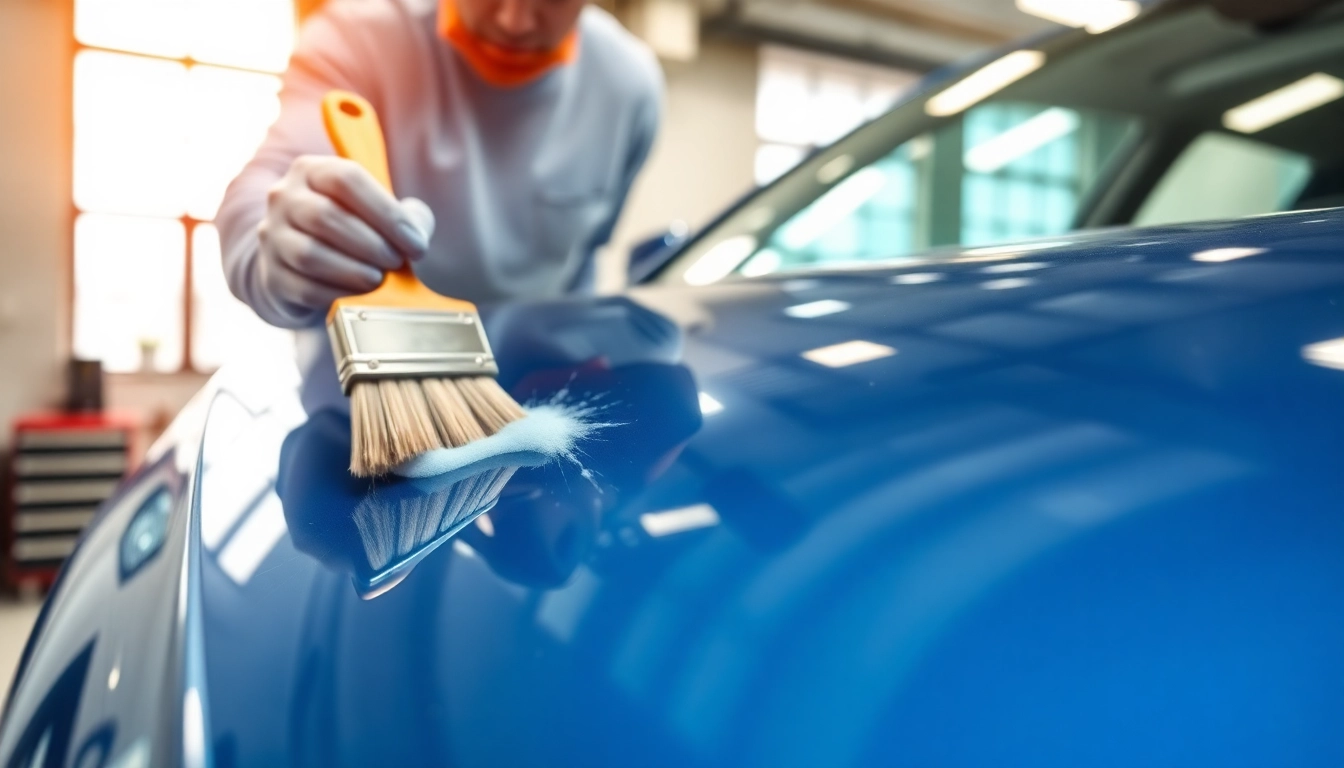
Application of salt protection ceramic coating typically involves the use of an applicator pad and precise, controlled movements. It is essential to work in small sections to ensure complete coverage without uneven spots. Apply the coating in a cross-hatch pattern to enhance the even distribution. Most products recommend letting the coating flash—the point at which it begins to cure—before leveling it out and allowing it to cure fully.
It’s important to follow the specific manufacturer’s instructions regarding the layering process and curing time. Curing times may vary based on environmental conditions such as temperature and humidity, so if conditions are not optimal, extending the curing time is recommended.
Common mistakes to avoid during application
When applying salt protection ceramic coating, there are several common mistakes that can jeopardize the final results. One of the major pitfalls is neglecting paint correction prior to application. If imperfections are present on the paint, they will be encapsulated by the coating, leading to unsatisfactory results.
Another frequent error is applying the coating in direct sunlight or high temperatures, which can cause it to cure too quickly, leading to streaks or high spots. Additionally, using an insufficient amount of product can cause uneven application, while over-applying can create a tacky surface. Being mindful of these mistakes can ensure a flawless finish and long-lasting results.
Maintenance Tips for Salt Protection Ceramic Coating
Best practices for cleaning coated vehicles
Once a vehicle is treated with salt protection ceramic coating, proper maintenance is key to retaining its benefits. Regular washing with a pH-neutral soap is essential to prevent the build-up of contaminants. Many recommend using the two-bucket method—one for soapy water and the other for rinsing the wash mitt—to minimize the risk of scratches.
Furthermore, using a soft microfiber towel or mitt is crucial to maintain the coating’s integrity. Avoid using abrasive scrubs or brushes, as they can damage the coating. Following up with a quick detail spray post-wash can further enhance gloss and keep the coat clean between more thorough washes.
How to ensure long-lasting protection
To maximize the lifespan of salt protection ceramic coating, incorporate a maintenance program that includes regular cleaning, along with periodic inspections of the coating’s condition. Look for signs of hydrophobicity—water beading off the surface indicates that the coating is still effective. If water starts to sit on the surface, it may be time to apply a topper or booster product designed for ceramic coatings, which can help extend the lifespan.
Additionally, parking the vehicle in shaded areas or garages, when possible, protects the coating from prolonged ultraviolet exposure, further enhancing its durability.
Signs that your coating needs reapplication
Over time, even the best ceramic coatings may degrade. Key indicators include a loss of hydrophobic properties and reduced gloss. If water no longer beads on the surface or if dirt begins to stick more than usual, it’s time to consider reapplication. Additionally, visual inspection for swirl marks or scratches can help determine if the coating is still protecting the vehicle effectively.
Cost Considerations of Salt Protection Ceramic Coating
Factors affecting the price
Several factors come into play when determining the cost of applying salt protection ceramic coating. The condition of the vehicle’s paint, the size of the vehicle, and the brand of the coating product all influence pricing. For instance, older vehicles needing paint correction will likely incur higher costs than those in excellent condition. Furthermore, professional installers will charge varying rates based on their reputation and expertise.
Comparing professional vs. DIY applications
While DIY application of salt protection ceramic coating can offer financial savings, it often comes with trade-offs. Professionals typically provide extensive training, experience, and superior application techniques that ensure a longer-lasting and more visually appealing result. DIY enthusiasts, on the other hand, can save money, but they must be meticulous with preparation and application to avoid costly mistakes.
Ultimately, weighing these factors will help vehicle owners decide whether to invest in professional services or attempt a DIY application.
How to get the best value
To obtain the best value from salt protection ceramic coating, research reputable providers and assess their reviews, portfolio, and aftercare options. Understanding the specific coating product used, along with any warranties offered, can also help ensure that you’re getting a high-quality service that justifies its cost. Additionally, consider opt for packages that include maintenance services, as these can provide long-term savings and keep your vehicle protected.
FAQs about Salt Protection Ceramic Coating
How long does salt protection ceramic coating last?
Typically, it lasts 2-5 years, depending on maintenance and environmental factors.
Can I apply salt protection ceramic coating myself?
While DIY is possible, professional application ensures better results and longevity.
Does it work in extreme weather conditions?
Yes, it offers excellent protection against harsh weather and salt.
Can I wash my car after application?
It’s recommended to wait 48-72 hours before washing to allow full curing.
Will it protect against scratches?
While it provides a degree of scratch resistance, it’s not completely scratch-proof.