
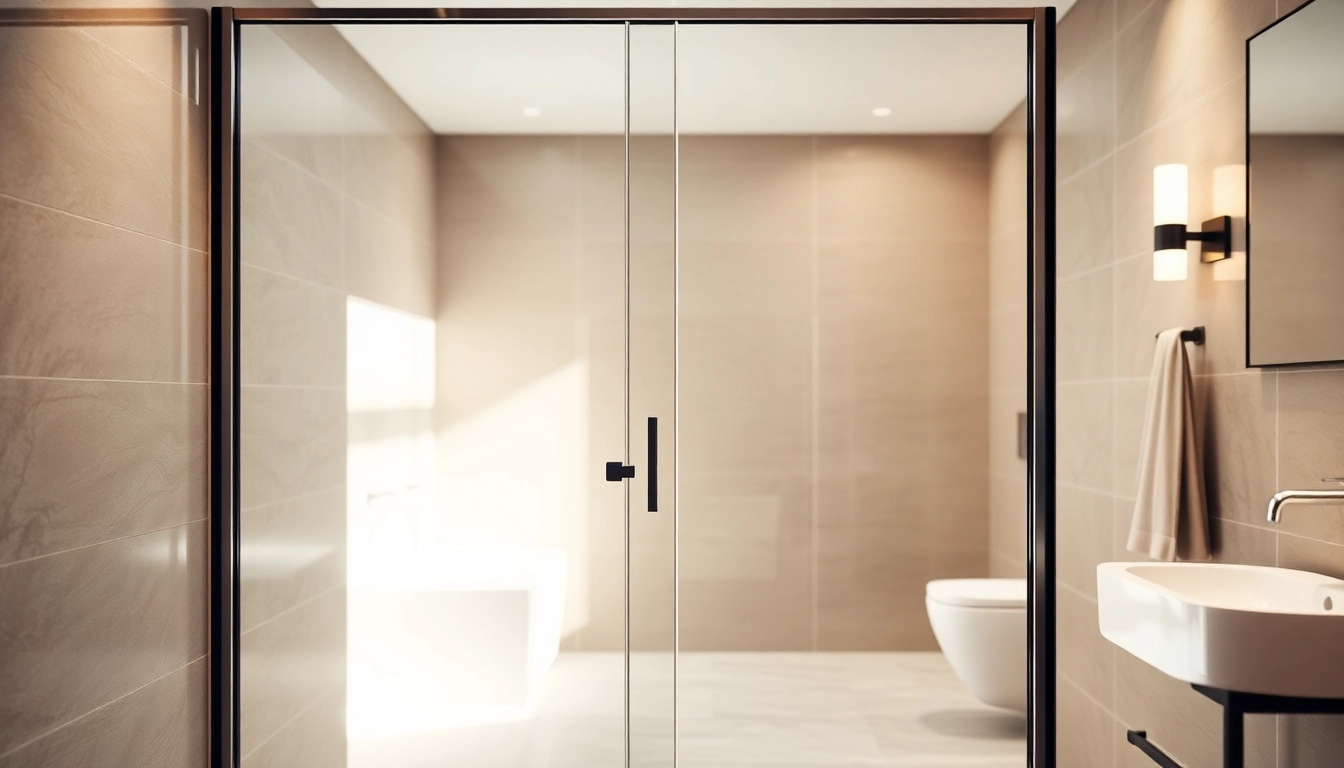
Benefits of a Shower Screen Sliding Door
Space Efficiency and Functionality
When it comes to optimizing bathroom spaces, a shower screen sliding door stands out as an exceptional choice. Unlike traditional swinging doors, sliding doors operate on a track system, allowing them to glide open and closed without encroaching into the rest of the bathroom space. This feature is particularly beneficial in smaller bathrooms where every square inch counts. The space-saving design increases room accessibility and movement, creating an open, airy feel in your bathing area, which can also enhance overall bathroom functionality. By eliminating the need for a large clearance area, homeowners can better utilize available space for additional storage or decorative elements.
Design Versatility
Shower screen sliding doors come in a variety of designs, materials, and finishes, which allows them to complement any bathroom aesthetics—from sleek, modern environments to more traditional settings. Glass options offer transparency and light, contributing to a contemporary ambiance, while frosted glass can provide additional privacy without sacrificing style. Furthermore, the ability to choose between framed or frameless options means there is always a design that can fit seamlessly with your existing décor. This versatility extends to color choices, handles, and even the track systems, ensuring that every homeowner can find a sliding door that meets their stylistic preferences.
Easy Maintenance Solutions
One of the standout benefits of a shower screen sliding door is the ease of maintenance it offers. Unlike traditional shower curtains, which can harbor mold and mildew, glass sliding doors can be easily wiped down with a soft cloth. Many modern models come with protective coatings that repel water and soap scum, making cleaning routine maintenance a breeze. Regular care can ensure that the surface remains clear and free from stains or hard water spots, maintaining the aesthetic appeal of your bathroom space. Additionally, because sliding doors have fewer gaps than conventional doors, there’s less chance for debris to gather, contributing to a more hygienic environment.
Choosing the Right Material for Your Shower Screen Sliding Door
Glass vs. Acrylic Choices
When selecting a material for your shower screen sliding door, the choice often narrows down to glass or acrylic. Glass doors are favored for their durability and luxury appeal; they offer a clear view that can make small spaces feel larger and more open. Tempered safety glass typically used in shower doors has been heat-treated to make it more robust and less prone to shattering. Alternatively, acrylic is a lighter option that can be easier to install; however, it is less durable and can be prone to scratching. It is essential to weigh the pros and cons of each material to determine which best fits your lifestyle and budget.
Framed vs. Frameless Designs
Another critical consideration is whether to opt for a framed or frameless design. Framed shower screen sliding doors typically use a metal frame that adds stability and support, making them ideal for heavier glass panels. They come in multiple finish options, including chrome, nickel, and bronze, allowing homeowners some degree of customization. In contrast, frameless designs boast a sleek, modern look that uses minimal metal framing, offering an uninterrupted view and providing a more spacious feel. However, they may require thicker glass for support, which can elevate the price. A careful assessment of both designs can help you determine which option aligns better with your bathroom’s theme and your personal preferences.
Durability Considerations
Durability is a paramount concern when choosing a shower screen sliding door. Glass doors are generally more resistant to wear and tear over time than acrylic, provided they are properly maintained. However, the specific quality of glass and the thickness can influence its lifespan. Likewise, frame materials can impact overall durability; stainless steel and aluminum tend to resist corrosion better, especially in humid environments. Homeowners must also consider factors like the frequency of use and cleaning routines when evaluating how long the door should last. Investing in high-quality materials may incur higher upfront costs but can lead to significant savings in the long run due to reduced replacement needs.
Installation Process Overview for Shower Screen Sliding Door
Pre-installation Planning Tips
A successful installation of a shower screen sliding door begins with careful planning. First, measure your shower space accurately, accounting for any obstructions such as faucets or shower heads. It is also vital to select a door that fits your existing enclosure style—whether it be tile, plastic, or fiberglass. Review manufacturer specifications to ensure compatibility. Collect all necessary tools ahead of time, including a level, drill, measuring tape, and screwdrivers. Furthermore, ensure that the bathroom is completely dry before installation begins, as moisture can hinder the adhesion process and affect door functionality.
Step-by-step Installation Guide
The installation of a shower screen sliding door typically follows several key steps:
- Prepare the area: Clean the installation surface thoroughly.
- Install the bottom track: Position it where the door will slide and secure it using screws, ensuring it is level.
- Attach the side panels: If there are fixed panels, attach them securely to the wall.
- Hang the door: Slide the door onto the top track and adjust it to ensure it runs smoothly.
- Check for alignment: Ensure the door is properly aligned and make adjustments if necessary.
- Seal the edges: Apply silicone caulk around the edges for water protection.
While the installation can be accomplished as a DIY project, some homeowners might prefer hiring a professional for added assurance.
Common Installation Pitfalls
Installing a shower screen sliding door may come with its challenges. One common issue is misalignment, where the door does not slide smoothly or remains stuck. This can typically be avoided by ensuring precise measurements and a level installation. Another frequent mistake is improper sealing, leading to water leakage. Ensure that caulking is applied carefully and allowed to cure fully before using the shower. Additionally, overlooking the weight of the door can lead to safety issues; always ensure that the support tracks and hardware can handle the door’s weight.
Maintaining Your Shower Screen Sliding Door
Regular Cleaning Tips
To preserve the aesthetic appeal and longevity of your shower screen sliding door, establish a regular cleaning routine. Use a soft cloth or squeegee after each shower to remove water droplets and soap residue. For deep cleaning, create a mixture of vinegar and water—this can effectively eliminate hard water stains without harsh chemicals. Avoid acidic or abrasive cleaners that could scratch or damage the glass surface. Rather than waiting for grime build-up, tackling dirt prevention early can save you time and effort in cleaning later.
Addressing Common Issues
Common problems include hard water stains, mold growth, and mechanical failures in the sliding mechanism. For hard water stains, regular vinegar treatments can be beneficial. If you notice mold around seals or corners, a dilute bleach solution can be wiped down; just ensure adequate ventilation while you clean. If the door slides unevenly, inspect the rollers; they may need cleaning or replacement. Maintaining the hardware is also key—lubricate tracks periodically to prevent wear and ensure smooth operation.
Seasonal Maintenance Checklist
Periodically conducting a thorough check can help maintain your shower screen sliding door. Here’s a simple checklist:
- Inspect seals and gaskets for wear and replace if necessary.
- Examine the frame for signs of corrosion or damage.
- Check the tracks for dirt and obstructions, cleaning them thoroughly.
- Lubricate the sliding mechanism to maintain smooth operation.
- Review the glass for scratches or chips, as these may worsen over time.
By being proactive with maintenance, you can enhance the performance and extend the lifespan of your shower screen sliding door.
FAQs About Shower Screen Sliding Doors
What is the typical lifespan of a shower screen sliding door?
With proper care and maintenance, glass shower screen sliding doors can last 10 to 20 years. Quality materials contribute to longevity.
Are sliding doors suitable for small bathrooms?
Yes! Sliding doors are excellent for small bathrooms as they save space by eliminating the need for door clearance.
How can I prevent water stains on glass?
Regular squeegee use after showers and applying a water-repellent treatment can help prevent water stains on glass sliding doors.
What’s the best way to clean glass shower doors?
Use a mixture of vinegar and water or a dedicated glass cleaner. Soft cloths or squeegees work best to avoid scratching.
Are sliding doors safer than hinged doors?
Sliding doors pose a lower risk of injury since they do not swing out, which can be beneficial in cramped spaces. Proper installation is crucial for safety.