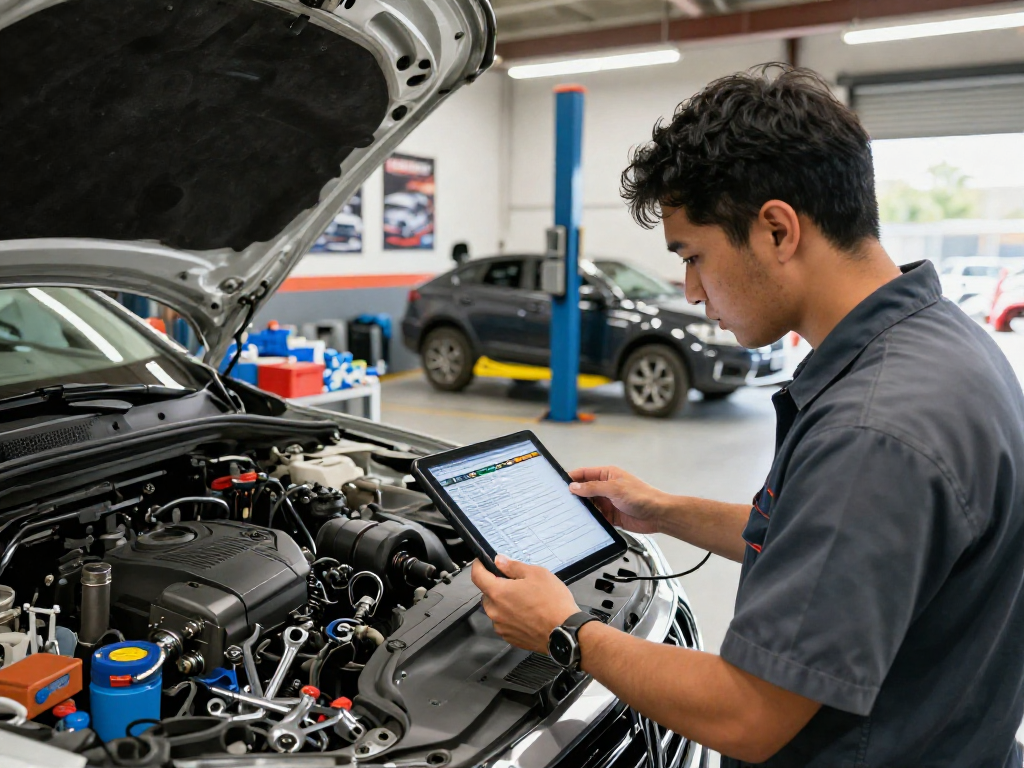
Understanding the Importance of Vehicle History Reports
When purchasing a used car, one of the most crucial steps is to verify a used car's history. A vehicle history report can provide invaluable insights into a car's past, including accidents, title issues, and odometer readings. By understanding how these reports work, you can make informed decisions and avoid potential pitfalls during your purchase.
What is a Vehicle History Report?
A vehicle history report (VHR) is a comprehensive document that details a vehicle's history from its manufacture to the present. These reports typically include information such as past ownership, service records, accident history, odometer readings, and title status. They are generated using data from various sources, including insurance companies, repair shops, and motor vehicle agencies. With the rise of online platforms, accessing these reports has become easier than ever.
Why You Need to Verify a Used Car's History
Verifying a used car's history is essential for several reasons. Firstly, it helps you avoid cars that have been in significant accidents or have salvage titles, which could lead to costly repairs down the line. Secondly, a vehicle history report can reveal odometer fraud, where sellers falsely report a car’s mileage. Lastly, understanding the vehicle's maintenance history can provide insights into its reliability and longevity.
Common Misconceptions About Vehicle Reports
Many car buyers hold misconceptions about vehicle history reports. One common myth is that a clean report guarantees a vehicle's reliability. While a clean report is a good sign, it does not replace the need for a thorough inspection. Additionally, some buyers believe that a vehicle report is only necessary for older cars, but even newer vehicles can have undisclosed issues.
How to Obtain a Vehicle History Report
Obtaining a vehicle history report is a straightforward process, but it can vary depending on the provider. Several companies offer these reports online, and prices may vary based on the depth of the report and the type of vehicle. It's crucial to choose a reputable source to ensure you receive accurate information.
Top Providers for Vehicle History Reports
Some of the leading companies providing vehicle history reports include Carfax, AutoCheck, and VinAudit. Each offers unique features—Carfax is known for its extensive database and user-friendly reports, while AutoCheck provides a scoring system to help buyers quickly gauge a vehicle's history.
What Information is Included in a Report?
A typical vehicle history report includes:
- Title information
- Accident history
- Service records
- Odometer readings
- Number of previous owners
- Any recalls or safety issues
By understanding what information is included, buyers can better assess the value and safety of the vehicle they intend to purchase.
How to Interpret Report Findings Effectively
Interpreting vehicle history reports can be daunting due to the technical jargon used. It's essential to focus on key aspects, such as accident history and title status. If a vehicle shows multiple accidents or a salvage title, it may indicate hidden problems that could affect performance and safety. Familiarizing yourself with how to read these reports will empower you to make informed choices.
Identifying Red Flags During Inspection
Even with a clean vehicle history report, conducting a physical inspection is critical. Look for signs that might indicate underlying issues that a report might not disclose.
Common Signs of a Car with a Troubled History
Some red flags to watch out for during an inspection include:
- Inconsistent paintwork, which may indicate past repairs.
- Rust or corrosion, especially in older models.
- Unusual sounds from the engine or transmission.
- Warning lights on the dashboard.
- Odometer discrepancies compared to the report.
How to Conduct a Thorough Physical Inspection
When inspecting a used car, it’s recommended to check the following:
- Fluids: Check oil, transmission fluid, and coolant for cleanliness and levels.
- Brakes: Inspect the brake pads and listen for any unusual noises while driving.
- Tires: Ensure even wear and proper inflation.
- Body: Look for dents, scratches, or signs of repairs.
- Interior: Check for wear and tear inside the car.
When to Seek Professional Help for Verification
If you are unsure about the vehicle's condition after your inspection, consider hiring a professional mechanic for a pre-purchase inspection. This can provide peace of mind and help detect potential problems that could be costly in the future.
Comparative Analysis of Vehicle History Services
As the market for used cars evolves, understanding the different vehicle history report services available is essential. A comparative analysis can help you decide which service provides the best value for your needs.
Key Features of Leading Report Services in 2026
In 2026, leading vehicle history report services are focusing on providing more comprehensive data. Features to look out for include:
- Mobile-friendly interfaces for easy access.
- Integration with car dealerships for instant reports.
- Enhanced customer support services.
- Real-time alerts for any changes in a vehicle’s status.
Cost vs. Value: What to Expect
While some reports can be obtained cheaply, the cost may not always reflect the value. For instance, opting for a budget report may leave out crucial information. Invest in a reliable service that provides detailed insights, as this could save you from costly future repairs.
Customer Reviews and Reliability Metrics
Checking customer reviews and reliability metrics can also help gauge which service is right for you. Look for platforms that consistently receive high ratings and positive feedback about accurate and comprehensive reporting. Consumer reviews can reveal critical insights about user experiences and service quality.
Future Trends in Vehicle History Verification
As technology continues to advance, the methods for verifying a vehicle's history are evolving. Understanding these trends can help consumers stay ahead in the used car market.
Technological Advances in Automotive Transparency
New technologies, such as artificial intelligence and machine learning, are starting to play a role in how vehicle history reports are generated. These advancements allow for more accurate data analysis, increasing transparency in the automotive market. With real-time data streaming from various sources, buyers can make quicker, more informed decisions.
Impact of Blockchain on Car History Tracking
Blockchain technology is beginning to influence how car history is tracked. By creating an immutable record of a vehicle’s history, consumers can trust that the information they receive is accurate and cannot be altered after the fact. This could revolutionize the industry by ensuring complete transparency.
What to Expect in the 2026 Used Car Market
In the 2026 used car market, we can expect a shift toward more digitized and comprehensive vehicle history reports. With consumers demanding more transparency and data-driven insights, the industry will need to adapt. Enhanced mobile accessibility, automated updates, and comprehensive analytics will likely become standard offerings as buyers become more tech-savvy.
What are the best practices for verifying a used car's history?
Best practices include obtaining a vehicle history report from a reputable service, conducting a thorough physical inspection, and seeking expert guidance if needed. Always ensure that the report correlates with your inspection findings.
How can I ensure the vehicle I’m buying is reliable?
To ensure reliability, verify the vehicle's history, review maintenance records, and have it inspected by a professional mechanic. Understanding both the documented history and the car's current condition is key to making a sound purchase.
What are the main sources of vehicle history reports?
The main sources of vehicle history reports include state motor vehicle departments, insurance companies, and various third-party reporting services that compile data from these sources to provide detailed reports.
Why should I trust vehicle history reports from different providers?
Reports from different providers can vary in comprehensiveness and accuracy. Trustworthy providers have established relationships with data sources and maintain rigorous data verification processes, ensuring you receive reliable information.
Are there any legal protections for used car buyers?
Yes, several laws, such as the Magnuson-Moss Warranty Act and the Uniform Commercial Code, provide protections for used car buyers. These laws require sellers to disclose certain information about the vehicle and offer recourse if misleading information is provided.