Understanding Cape Cod Homes
The charm of cape cod homes lies in their unique architectural features and rich historical significance. Originating from the colonial period, these homes reflect a blend of functionality, aesthetic appeal, and a deep connection to their coastal surroundings. This section provides an in-depth look at their historical context, key architectural characteristics, and how modern innovations are reshaping the traditional Cape Cod style.
Historical Significance of Cape Cod Homes
First built in the early 17th century, Cape Cod homes emerged as a response to the Northeast’s harsh climate. Their design was influenced by the early settlers’ need for durable and warm dwelling spaces. Characteristically, these homes were modest and constructed with local materials like wood, featuring steep roofs to prevent snow accumulation and small windows to retain heat.
The historical significance of Cape Cod homes extends beyond their utility; they embody the essence of American architectural heritage. The simplicity and functionality reflected a utilitarian approach which has persisted through generations, making these homes a beloved choice in coastal regions.
Key Architectural Features of Cape Cod Homes
The architecture of Cape Cod homes is easily recognizable. Key features include:
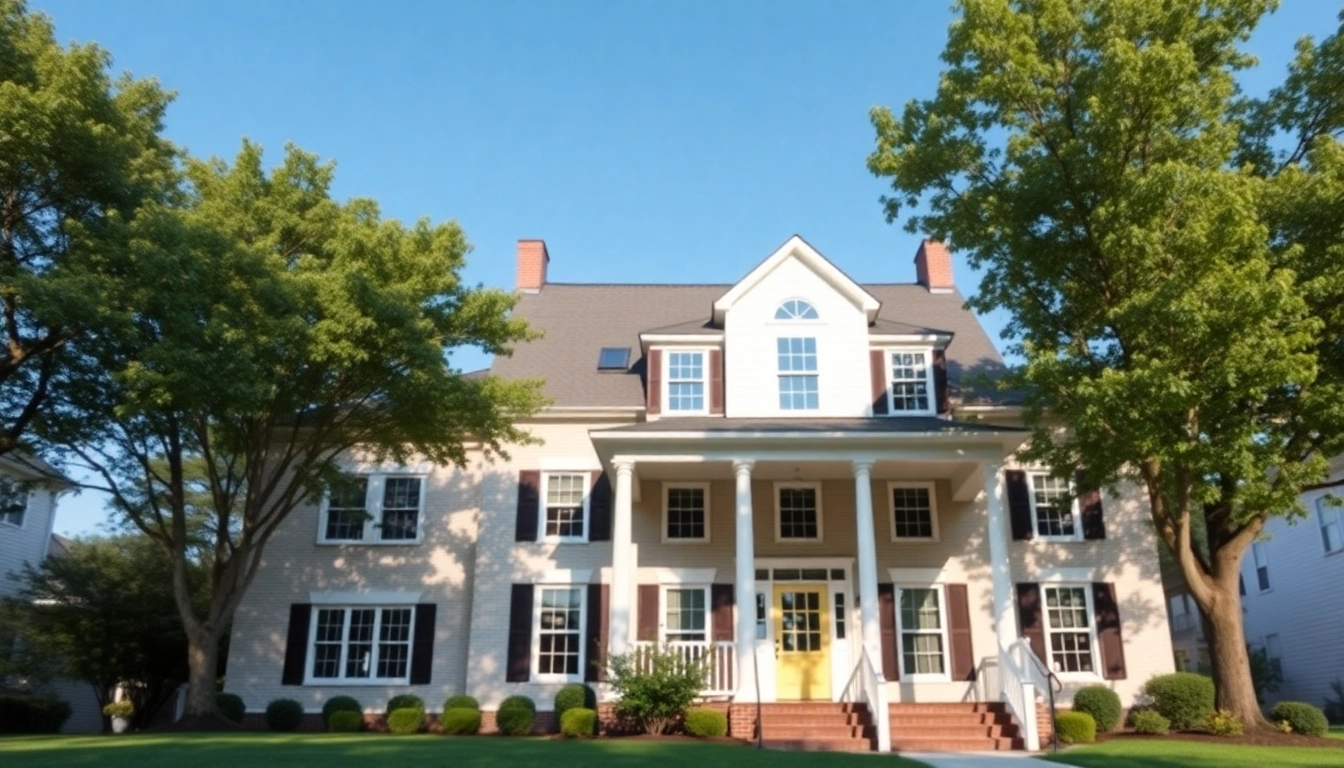
- Steep Roofs: A hallmark of Cape Cod architecture, the steeply pitched roof allows for efficient snow runoff and contributes to the home’s overall resilience.
- Dormer Windows: These are commonly integrated into the roofline, offering natural light and adding to the aesthetic appeal.
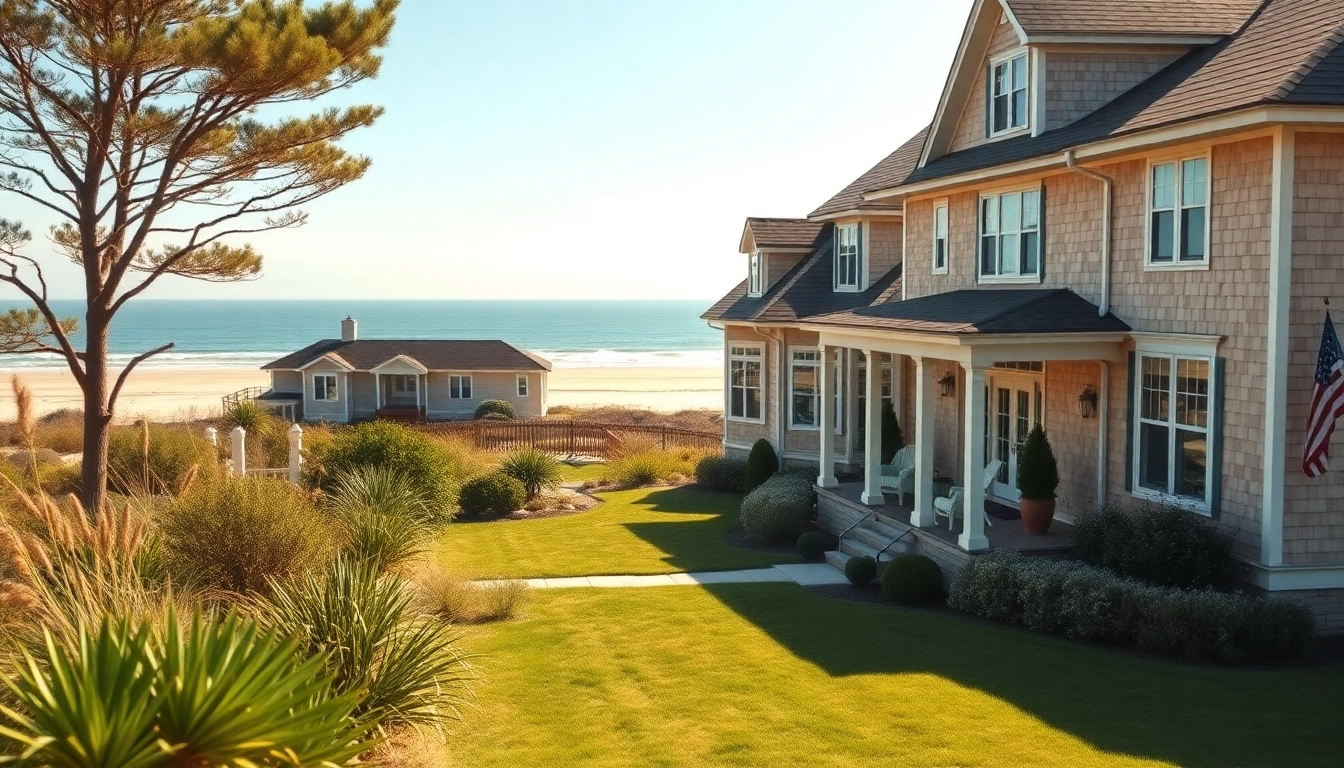
- Clapboard Siding: Traditionally painted in muted, natural colors, the clapboard siding contributes to the homes’ charm and harmony with the coastal environment.
- Symmetrical Facade: Often characterized by an inviting entrance centrally located below a gabled roof, enhancing its classic appeal.
- Fireplaces: These were essential for warmth in colonial times and have become a charming focal point in modern designs.
Modern Interpretations of Cape Cod Homes
Today, architects and homeowners are embracing modern interpretations of Cape Cod homes that maintain traditional aesthetics while incorporating contemporary elements. Open floor plans are increasingly popular, allowing for natural light and fluid movement between spaces. Additionally, eco-friendly materials and smart home technologies are integrated, promoting sustainability without sacrificing the classic charm associated with these homes.
The flexibility in design has resulted in a myriad of options, from preserving original features to embracing minimalist styles that emphasize clean lines and functional spaces. This evolution reflects changing lifestyles while honoring historical roots.
Planning for a Home Expansion
As family needs change over time, many homeowners consider expanding their Cape Cod homes. Proper planning is crucial to ensure that any expansion complements the original design and enhances the property’s value.
Assessing Your Space Needs
The first step in planning a home expansion is to assess your current and anticipated space needs. Consider whether you require additional bedrooms, a larger kitchen, or a dedicated workspace. Analyze how your family dynamics may change over time, as this will influence your spatial requirements.
Consulting with an architect can provide valuable insights into maximizing existing space and ensuring the new layout works harmoniously with the original structure. Also, explore the potential of vertical expansions, which can add significant living space without affecting the home’s footprint.
Design Considerations for Seamless Integration
When designing an expansion, it’s essential to maintain the architectural integrity of your Cape Cod home. This includes matching the roof pitch, siding materials, and window styles to the existing structure. A seamless integration helps preserve the home’s character and appeal.
Incorporating design elements such as dormers or similar architectural details can enhance continuity. Moreover, consulting with local zoning laws and guidelines is crucial to ensure that your design aligns with neighborhood standards.
Choosing the Right Materials
Material selection plays a pivotal role in both aesthetics and durability. Traditionally, Cape Cod homes utilize wood clapboard for siding; however, there are numerous options available today, from engineered wood to composites that offer enhanced durability and lower maintenance.
Consider using sustainable materials that align with modern environmental practices. Eco-friendly siding options provide longevity while reducing your home’s ecological footprint. It’s equally important to preserve any historical elements during renovations, so salvage and reuse materials wherever possible.
Incorporating Eco-Friendly Practices
With rising awareness of environmental issues, incorporating eco-friendly practices into your Cape Cod home is both a responsible and sustainable approach to modern living. This section will delve into aspects of energy efficiency, sustainable materials, and leveraging native landscaping.
Energy Efficiency in Cape Cod Homes
Improving energy efficiency is paramount for homeowners looking to reduce utility costs while promoting sustainability. Insulation plays a significant role; upgrading to high-performance insulation can substantially lower heating and cooling expenses.
Additionally, installing energy-efficient windows minimizes heat loss and enhances comfort, while modern HVAC systems can provide efficient temperature control. Technologies such as smart thermostats enable homeowners to monitor and manage energy consumption effectively.
Using Sustainable Materials
Choosing sustainable materials during construction or renovations simplifies the journey towards a greener Cape Cod home. Materials such as reclaimed wood, bamboo, and recycled metals not only offer durability but also reduce the environmental impact of new building materials.
When selecting building materials, look for certifications like Forest Stewardship Council (FSC) or LEED, which indicate sustainable practices and minimal environmental impact. These choices contribute to a healthier living environment for your family and the community.
Landscaping with Native Plants
Integrating native plants into your landscaping design is a vital component of creating an eco-friendly home. Native plants are adapted to local climates and soil conditions, requiring less water and maintenance than exotic species.
These plants support local wildlife, including pollinators such as bees and butterflies, enhancing biodiversity in your garden while providing natural beauty. Creating a landscape that reflects the local environment can also increase your property’s value and appeal.
Design Trends for Cape Cod Homes
As trends in home design evolve, Cape Cod homes are being reimagined with fresh concepts that enhance their timeless appeal. This section highlights some of the most notable design trends shaping the future of cape cod homes.
Open Concept Living in Cape Cod Homes
Open concept living spaces have gained popularity in Cape Cod design, promoting a sense of openness and facilitating better interaction among family members. By removing walls between key areas like the kitchen, dining, and living rooms, homeowners can create a more inviting environment.
This trend harmonizes with contemporary lifestyles, where collaborative spaces are preferred. Moreover, large windows and glass doors can amplify natural light and offer stunning views of the surrounding landscape, further bridging indoor and outdoor living.
Embracing Coastal Colors and Textures
Coastal color palettes are prevalent in modern Cape Cod homes, featuring soft hues like seafoam greens, ocean blues, sandy beiges, and crisp whites. These colors resonate with the coastal environment, evoking a sense of tranquility and relaxation.
Incorporating natural textures, such as stone, wood, and woven materials, can create a cozy, welcoming atmosphere. Furthermore, fabric choices for furnishings that are breathable and durable align with the Cape Cod aesthetic, effectively merging style and practicality.
Smart Home Technology in Cape Cod Homes
The rise of smart home technology offers convenience and efficiency to Cape Cod living. Integrating smart systems for lighting, heating, security, and even outdoor irrigation can enhance both comfort and security.
Home automation systems enable homeowners to manage energy use effectively, facilitating a more sustainable lifestyle. Trends indicate an increasing demand for tech solutions that promote energy efficiency, particularly as homeowners strive to meet environmental goals.
FAQs about Cape Cod Homes
What are the common features of Cape Cod homes?
Cape Cod homes typically feature steep roofs, dormer windows, and clapboard siding, emphasizing simplicity and functionality.
How can I modernize a classic Cape Cod home?
Modernizing can include open floor plans, energy-efficient materials, and updated landscaping while preserving historical charm.
What is the best way to expand a Cape Cod home?
Consider vertical expansions or adding an attached garage while maintaining the aesthetic flow and architectural style.
Are Cape Cod homes energy-efficient?
With proper insulation and modern HVAC systems, Cape Cod homes can achieve high energy efficiency and reduce utility costs.
What colors suit Cape Cod homes best?
Soft, muted colors like seafoam green, light blue, and sandy beige help create a harmonious coastal look for Cape Cod homes.