The Importance of Colonial Home Construction
Colonial home construction is more than just a building trend; it represents a slice of history and culture that continues to resonate in the modern architectural landscape. The charm of these homes lies in their historical significance, traditional aesthetics, and the community it creates. Understanding the relevance of colonial architecture opens the door to appreciating its enduring appeal and practical benefits in today’s world. At the core of this discussion is how colonial home construction serves as a blueprint for creating not just houses, but homes rich in character and history.
Historical Significance of Colonial Architecture
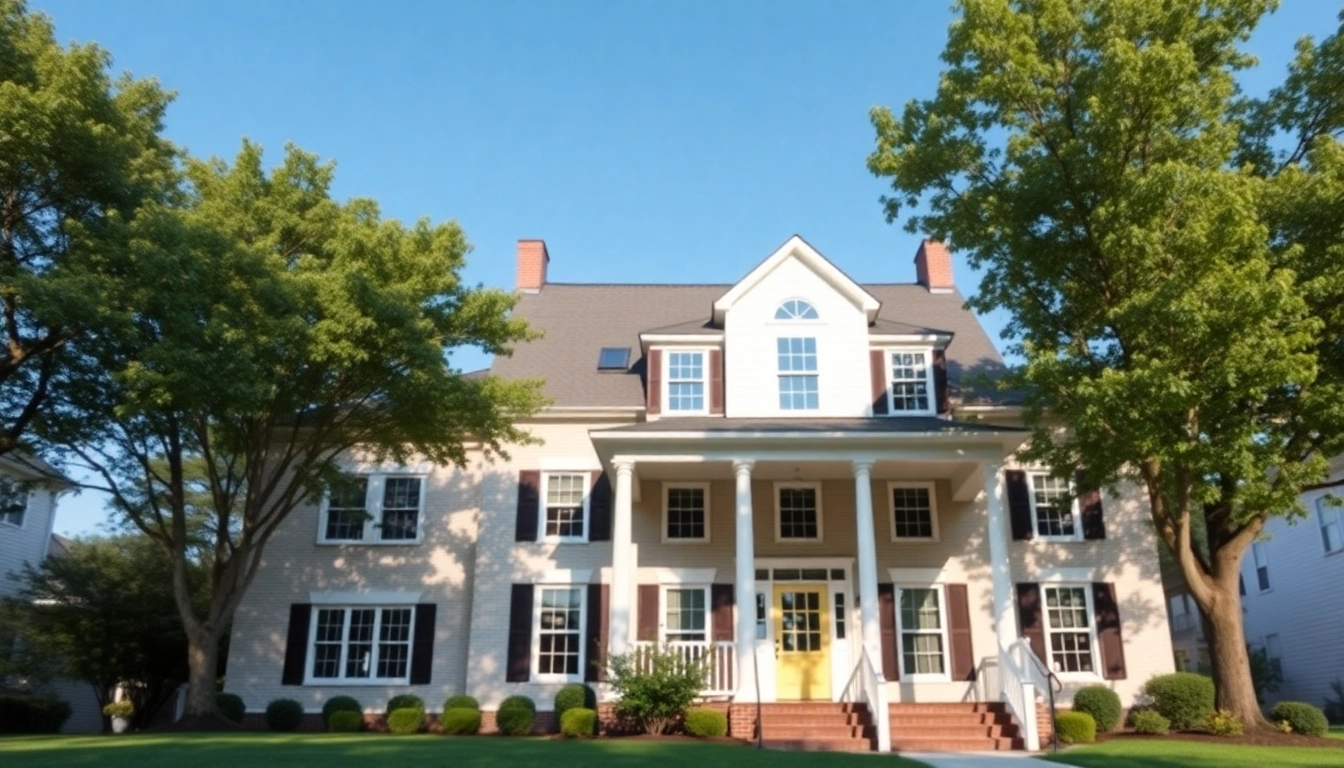
Colonial architecture emerged in America during the 17th and 18th centuries, heavily influenced by European styles, particularly those from England, France, and Spain. This design genre reflects the socio-political circumstances of the time, showcasing a blend of functionality and aesthetics. Colonial homes were primarily built as practical dwellings capable of withstanding the harsh climates of early America, while also providing a sense of elegance and refinement.
As settlers brought their architectural traditions across the Atlantic, they adapted these styles to local materials and climatic conditions. Homes evolved to include features such as steep roofs for snow runoff, large chimneys, and symmetrical designs, which are distinct characteristics of colonial architecture. This historical significance is not merely nostalgic; it embodies the resilience and creativity of early American settlers, making it a timeless choice for home construction.
Modern Adaptations of Colonial Home Styles
Today, colonial architecture has transitioned from its historical roots into various modern adaptations that appeal to contemporary homeowners. These adaptations often maintain the classic elements—like symmetry and brick facades—while incorporating modern features like open floor plans, eco-friendly materials, and energy-efficient systems.
Various colonial styles, including Colonial Revival, Georgian, and Cape Cod, offer homeowners flexibility in design choices without sacrificing character. Colonial Revival homes, for instance, have become a popular choice due to their blend of traditional aesthetics and modern conveniences. Furthermore, modifications such as smart home technology and sustainable building practices highlight how these classic designs can meet present-day needs.
Benefits of Building Colonial Homes
Opting for colonial home construction brings a multitude of benefits encompassing aesthetics, historical appreciation, and practical advantages. Firstly, colonial homes are known for their iconic beauty and elegance, which can enhance the overall attractiveness of any neighborhood. Their timeless design ensures that they remain desirable and relevant, attracting potential buyers even years down the road.
Beyond aesthetics, there’s a practical aspect to consider. Colonial homes are typically constructed with quality materials like brick, wood, and stone, providing durability and longevity. The design is also often energy-efficient due to its well-thought-out orientation and use of natural light. Additionally, many localities have historical preservation incentives that can lead to cost savings when building or renovating colonial homes.
Essential Features of Colonial Home Construction
Understanding Architectural Styles
Colonial homes encompass a variety of architectural styles, each with unique characteristics. Key types include:
- Georgian: Known for its symmetry and classical proportions, featuring brick exteriors and gabled roofs.
- Federal: A refinement of Georgian styles, often showcasing decorative friezes, fanlights, and elliptical arches.
- Colonial Revival: A modern representation of classic colonial design elements, offering updated interpretations with a mix of original features.
- Cape Cod: A quintessential New England style characterized by steep roofs, dormer windows, and simple lines.
Understanding these various styles is essential for homeowners to choose the design that aligns with their aesthetic preferences and contextual environment.
Key Materials Used in Colonial Design
Materials play a critical role in colonial home construction, influencing both aesthetics and function. Common materials include:
- Brick: Traditional and durable, it offers timeless elegance and is particularly prominent in Georgian designs.
- Wood Clapboard: Used extensively in Cape Cod and Colonial Revival homes, it provides a charming rustic look and is often painted in soft colors.
- Stone: A sturdy material that adds weight and permanence, often used in foundations or decorative elements.
- Shingles: Frequently used in roofs, particularly in Cape Cod homes, providing a textured aesthetic and weather resistance.
These materials not only enhance the visual appeal but also contribute to the structural integrity of the homes, ensuring they stand the test of time.
Effective Floor Plan Considerations
A well-designed floor plan is crucial for maximizing space and function in colonial homes. Traditional colonial floor plans often emphasize symmetry and order, with rooms arranged around a central hallway. Popular layout features include:
- Formal Living Areas: Separate spaces designed for entertaining that showcase colonial elegance.
- Efficient Kitchens: Modern adaptations incorporate open concepts while retaining historical charm.
- Bedrooms on Upper Levels: Allow for privacy and use of space, typical of colonial homes.
- Basements and Attics: These spaces often serve as functional areas for storage or additional living space.
These considerations ensure that functionality and aesthetic appeal go hand in hand, making colonial homes comfortable and inviting.
Planning Your Colonial Home Construction
Choosing the Right Location
Location is a paramount consideration in colonial home construction. It’s essential to select a site that not only complements the architectural style but also aligns with your lifestyle and needs. Look for neighborhoods with historical significance, as this can often enhance the charm and value of a colonial home. Additionally, consider proximity to schools, parks, and amenities that are important to your family.
Environmental factors such as plot orientation, sunlight exposure, and drainage also play crucial roles in site selection. A site that allows for optimal sunlight can significantly affect energy efficiency and natural lighting, making your home more comfortable and appealing.
Designing for Energy Efficiency
As we embrace sustainable living, designing colonial homes for energy efficiency has become increasingly important. There are several strategies to achieve this:
- Modern Insulation: Use high-quality insulation materials to reduce heat loss and lower utility bills.
- Energy-Efficient Windows: Choose double-glazed or energy-efficient windows that retain heat in the winter and keep homes cool in the summer.
- Smart Home Technologies: Incorporate technologies such as smart thermostats to optimize heating and cooling systems.
- Solar Panels: Integrate renewable energy solutions that can enhance long-term sustainability and reduce environmental impact.
These design choices not only help in reducing the home’s carbon footprint but also aid in long-term cost savings for homeowners.
Navigating Local Building Regulations
Undertaking colonial home construction requires navigating various building codes and regulations. Local authorities often implement rules governing historical preservation, zoning requirements, and safety standards. Familiarize yourself with these regulations early on to avoid potential pitfalls during the construction process.
It’s wise to consult with a local architect or builder familiar with colonial architecture and local laws. This ensures that your design complies with regulations while also maintaining its historical integrity. Such professional guidance can save time, resources, and legal hassles down the line.
Common Challenges in Colonial Home Construction
Budgeting for Colonial Home Projects
Building a colonial home can come with its own set of financial challenges. The need for high-quality materials, skilled labor, and additional design elements can strain budgets beyond initial estimates. To mitigate these challenges, develop a comprehensive budget that addresses all aspects of the project. Consider setting aside a contingency fund for unforeseen expenses, which are common in construction projects.
Additionally, prioritize features that hold long-term value and appeal. Engaging with a financial consultant can also provide clearer insights into managing costs without compromising on quality.
Dealing with Historical Preservation Requirements
For those building in historically designated areas, navigating historical preservation requirements can be quite complex. Local preservation societies or regulations may mandate that specific architectural elements, materials, and designs be adhered to. Understanding these requirements before beginning construction helps prevent potential setbacks during the approval process.
Collaboration with preservation specialists can provide insights and alternative methods for incorporating modern elements while respecting the historical context. Their input can also enhance the home’s overall appeal while maintaining compliance with all local regulations.
Finding Quality Contractors
Finding skilled contractors experienced in colonial home construction is crucial for maintaining the integrity of the design. Look for professionals with a portfolio of work that includes colonial-style homes. Recommendations from other homeowners and reviews from past clients can provide insight into a contractor’s reliability and craft.
Moreover, engaging multiple contractors for estimates can not only ensure fair pricing but also provide diverse perspectives on your project. Open communication regarding expectations, timelines, and design elements is vital for a smooth construction journey.
FAQs about Colonial Home Construction
What are the main features of colonial architecture?
Colonial architecture features elements like symmetrical facades, gabled roofs, and rectangular windows with shutters. It is often characterized by brick and wood materials, offering a classic, timeless aesthetic.
What materials are best for colonial home construction?
Common materials include brick, wood clapboard, and stone, which provide durability and classic appeal. The choice of materials also reflects the historical context of colonial architecture while offering modern benefits.
How can I make a colonial home more energy efficient?
Incorporate modern insulation, energy-efficient windows, and proper HVAC systems in the construction plan. These improvements enhance comfort and reduce energy consumption over time.
Are there specific regulations for colonial homes?
Yes, local building codes and historical preservation regulations may apply, especially in designated areas. Compliance with these regulations is essential to maintain historical integrity and avoid delays.
What is the expected timeline for constructing a colonial home?
Construction typically takes 6-12 months, depending on complexity, permitting, and weather conditions. Proper planning and effective communication with your contractor can help streamline the process.