Understanding Spray Foam Insulation
What is Spray Foam Insulation?
Spray foam insulation is a modern, high-performance insulation material that is applied as a liquid, which then expands and hardens to create an effective barrier against heat transfer, air leaks, and moisture. This material is made from a combination of polyols and isocyanates, which react to form a foam that fills nooks and crannies in walls, attics, and other spaces. Its unique properties make it a popular choice among homeowners and builders seeking energy efficiency and increased comfort. Overall, spray foam insulation serves as a dual-purpose solution: it ensures thermal resistance while acting as an air sealant.
Benefits of Spray Foam Insulation
The benefits of spray foam insulation are manifold, contributing to both energy efficiency and comfort in residential and commercial buildings. Here are some significant advantages:
- Enhanced Energy Efficiency: Spray foam insulation dramatically reduces air leakage, which minimizes the workload on heating and cooling systems, thereby cutting down on energy bills.
- Moisture Control: This insulation type acts as a vapor barrier, preventing moisture buildup and reducing the risk of mold and mildew development.
- Improved Indoor Air Quality: By sealing off gaps and cracks, spray foam insulation helps in keeping allergens, dust, and pollutants outside, contributing to healthier indoor air.
- Diverse Applications: Spray foam is versatile and can be used in various applications, including walls, roofs, and basement insulation.
- Long Lifespan: Spray foam insulation is durable and can last for several decades if installed correctly, providing long-term benefits.
Common Issues with Spray Foam
While spray foam insulation offers numerous benefits, it may present challenges that need to be addressed:
- Improper Installation: One of the primary concerns is the potential for poor installation, leading to gaps, reduced insulation effectiveness, and potential structural damage.
- Outgassing: New spray foam can emit volatile organic compounds (VOCs) during the curing process, necessitating proper ventilation during and after installation.
- Difficulty in Removal: If removal is needed, the dense structure can be hard to manage without professional tools, leading to potential damage to underlying surfaces.
- Cost: The initial investment for spray foam insulation may be higher than traditional options, which could deter some homeowners.
The Need for Professional Removal
Why Hire Spray Foam Removal Specialists?
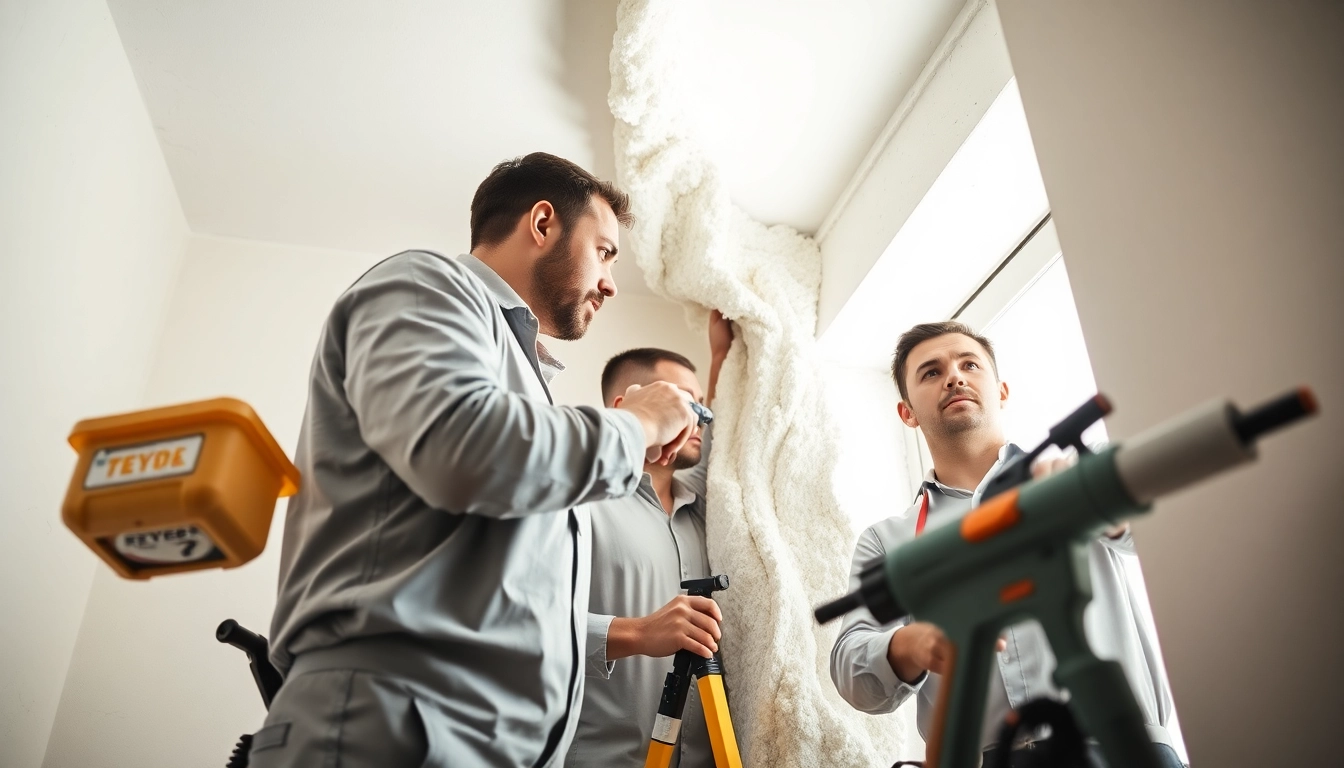
Hiring spray foam removal specialists is crucial for ensuring that the removal process is carried out safely and effectively. These professionals are equipped with the knowledge and tools necessary to handle the unique challenges that come with spray foam insulation. They can prevent damage to framing, drywall, and other essential structures during removal. Additionally, specialists are trained to manage hazardous materials safely, ensuring that no toxic substances are released into your home.
Risks of DIY Removal
Attempting to remove spray foam insulation yourself poses several risks:
- Personal Safety: DIY methods may expose you to respiratory hazards and chemical burns without the proper safety gear.
- Structural Damage: Improper removal can lead to damage to walls, ceilings, and other structural components, resulting in costly repairs.
- Inadequate Cleanup: Homeowners may struggle to remove residual foam effectively, leading to lingering issues and the need for further professional intervention.
What to Expect from a Professional Service
Professional spray foam removal services typically follow a structured process that ensures thorough removal and safe disposal. Expect the following steps:
- Initial Assessment: Specialists will evaluate the affected areas, determining the best removal method.
- Preparation: The workspace will be set up to minimize mess and protect surrounding areas.
- Removal Process: Using specialized equipment, the foam will be carefully removed, preserving underlying structures.
- Inspection: After removal, the area is inspected for any damage or remaining material before cleanup.
- Disposal: Collected foam will be disposed of according to local regulations to ensure environmental safety.
Choosing the Right Service
Key Qualities to Look For
When selecting a spray foam removal service, ensure they possess the following qualities:
- Experience: Look for a company with a proven track record in insulation removal, preferably with clear references and testimonials.
- Certifications: Verify that the specialists are trained and certified in hazardous material handling and removal.
- Insurance: Ensure the company has liability insurance to protect you from any damages that could occur during the process.
- Transparent Pricing: Choose a service that offers clear and concise estimates without hidden fees.
How to Evaluate Cost Estimates
Understanding the cost breakdown is vital. When evaluating estimates, consider factors such as:
- Scope of Work: The complexity of removal and desired cleanup services will influence pricing.
- Material Removal: Costs can vary based on the quantity and type of spray foam needing removal.
- Timeframe: Urgent jobs may incur higher fees, while standard scheduling might be more economical.
Questions to Ask Specialists
Before engaging a removal specialist, consider asking the following questions:
- What is your removal process?
- Can you provide references from past clients?
- How do you ensure safety during removal?
- What cleanup and disposal methods do you use?
- Do you offer any warranties or follow-up services?
Post-Removal Process
Steps After Spray Foam Removal
Post-removal, several crucial steps need to be taken:
- Inspection: Examine the area for any damage or leftover residue to ensure it’s ready for new insulation.
- Air Quality Check: Test for any lingering chemicals or air quality issues, especially after removal of foam insulation.
- Plan for Replacement: Decide on new insulation types and consult with professionals to ensure optimal performance.
Preparing Your Space for Replacement Insulation
Before adding new insulation, preparation is essential. Tips include:
- Ensure Complete Dryness: Any moisture needs to be eliminated to avoid mold issues with new insulation materials.
- Seal Cracks: Address any vulnerabilities in space that could lead to air leakage.
- Consult with Experts: Get professional advice on the best replacement insulation based on your space’s needs.
Common Mistakes to Avoid
To ensure an efficient and successful insulation replacement, avoid these common pitfalls:
- Rushing the Process: Take your time during assessment and installation to avoid future issues.
- Neglecting Ventilation: Ensure that the area is well-ventilated during and after the installation of new insulation.
- Ignoring Building Codes: Always follow local building regulations and industry standards when re-insulating.
FAQs About Spray Foam Removal
How do I know if I need spray foam removal?
Signs include excessive drafts, water damage, or visible degradation of the foam. If your foam insulation is causing unwanted effects, consider professional assessment.
What safety measures should spray foam removal specialists take?
They should use personal protective equipment (PPE), ensure proper ventilation, and follow safety protocols to handle hazardous chemicals safely.
How long does the removal process take?
The duration varies based on the size of the area and the complexity of removal but typically ranges from a few hours to a full day.
Can I stay in my home during the removal?
It’s advisable to vacate the premises during removal, especially due to fumes and dust that can affect air quality.
What are the signs of problematic spray foam insulation?
Signs include peeling, crumbling, or discoloration of foam, as well as musty odors which indicate potential moisture issues.